The Introductory Sommelier Certificate is where every candidate starts. It is the first level at which all prospective Master Sommeliers should begin, and there is no way around it: you must complete every level.
It is not an introduction to wine. It is an introduction to the Court’s own tasting techniques, philosophy and culture, and recommends an above-average knowledge of wine before you attempt the exam.
01How the three days run
The first two days are teaching. The coursework is lectures, tastings and a practical service demonstration, and the lectures are presented by Master Sommeliers. The third day is the examination.
The course covers elementary practices in the vineyard and winery, the grape varieties and classifications of the major wines of the world, the technical skills of wine service, spirits and liqueurs, the importance of social skills, the fundamentals of matching wine with food, and an introduction to wine tasting.
- Day oneCoursework: lectures by Master Sommeliers, with wine tastings.
- Day twoCoursework, including a practical service demonstration.
- Day threeExaminations: the theory paper and the practical service test.
02The examination
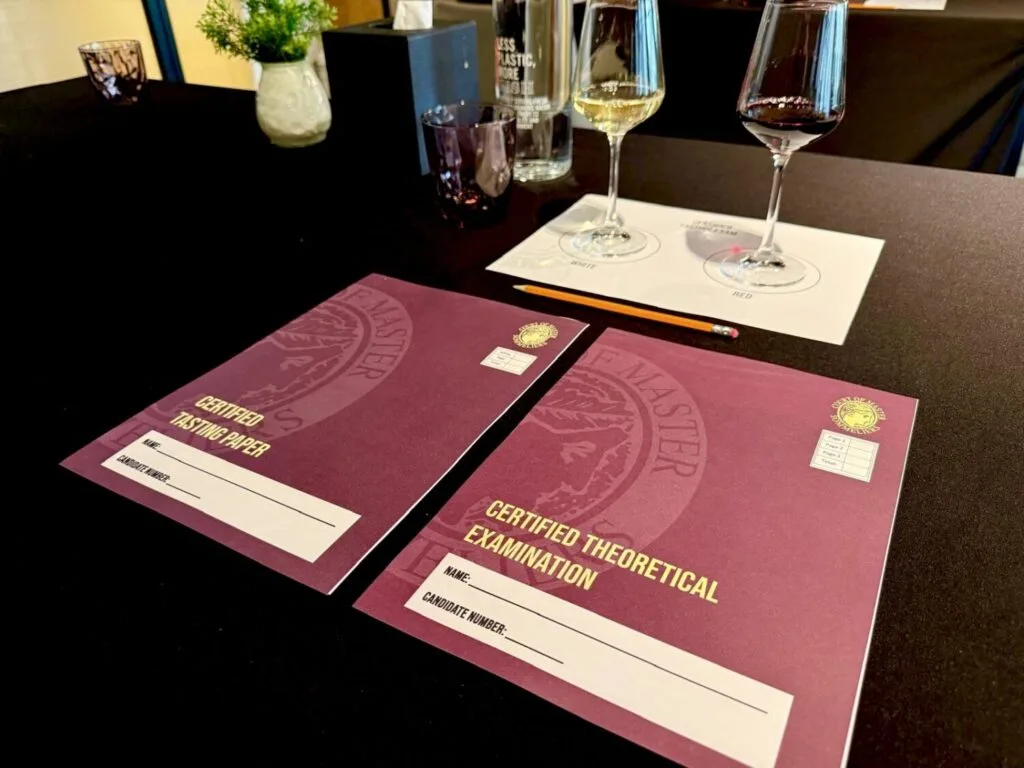
There are two parts. The first is a multiple-choice theory paper of 65 questions. The second is a short practical service test. The pass mark is 60% for each, and both must be passed together.
There is no tasting examination at this level. No wines are examined in the Introductory exam, even though the deductive tasting method is taught from this first level.
- 65 multiple-choice questions
- 60% to pass
- A short practical service test
- 60% to pass
- Taught on the course
- Not examined at this level
03Who should enrol
Entry asks for a minimum of twelve months of practical hospitality experience and a good basic theoretical knowledge of wines. The course is for wine waiters, sommeliers and hospitality professionals with at least twelve months of practical experience, and anyone in hospitality seeking to develop their wine theory, tasting and practical skills.
Service experience matters because service is examined. Because of the service element, the Court strongly recommends that those attempting the exam have some experience. For those in the wider wine trade who do not need service skills examined, the Court points to the courses run by the Wine and Spirit Education Trust.
04Before and after the course
The Court asks for a minimum of six weeks of pre-study for both the theory and the practical parts of the examination. The resources for this level include the Court’s web portal, its Service Standards and its Theory Syllabus.
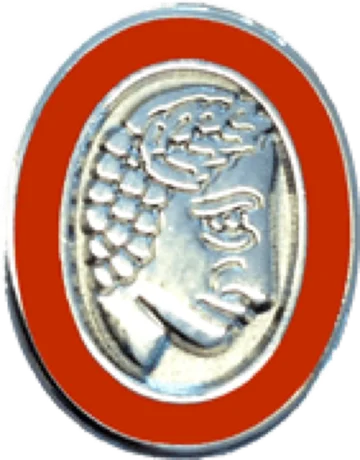
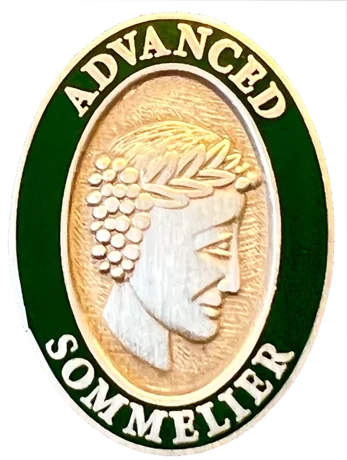
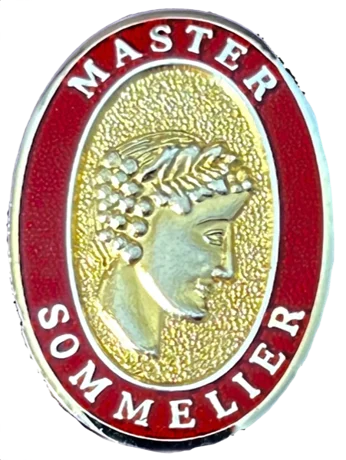
Candidates who pass receive the certificate and a lapel pin, and may go on to the Certified. Many take both on the same course: the top-ranking Introductory candidates are invited to sit the Certified later on the same day, which has its own article in this section.
Questions candidates ask
Is the Introductory an introduction to wine?
No. It is an introduction to the Court’s own tasting techniques, philosophy and culture, and recommends an above-average knowledge of wine before the exam.
Is there a tasting exam at the Introductory?
No. Tasting is taught on the course, but no wines are examined at this level.
What do I receive if I pass?
A certificate and a lapel pin.
Every Master Sommelier started with these three days.
Sources
- Court of Master Sommeliers, Prospectus 2026/2027
- courtofmastersommeliers.org